Cosmetic Claims: Common Pitfalls & Expert Tips to Stay Compliant
Making bold claims can help your cosmetic product stand out, but misleading or exaggerated statements may result in regulatory issues, consumer mistrust, and legal risks. Here we explore common pitfalls in cosmetic claims and share expert tips to ensure messaging remains compelling and compliant.
Key Takeaways
Cosmetic claims help your products stand out
Misleading claims can lead to legal, financial, and regulatory consequences
Ensure proper substantiation is available and reviewed for any claim that will be made
Recommend to work with a claims expert or outside regulatory partner to receive an unbiased opinion on all claims before product launch
What you need to know
When making Cosmetic claims brands should consider
Legal compliance
Truthfulness
Evidential support
Honesty
Fairness
Informed decision-making
In the US, the Food and Drug Administration (FDA), Federal Trade Commission (FTC), and National Advertising Division (NAD) oversee cosmetic product claims and have the authority to take action when necessary. However, claims are often scrutinized in other ways such as by competitors, by consumers on social media platforms, and through lawsuits and class actions.
Common Pitfalls to Avoid When Making Claims
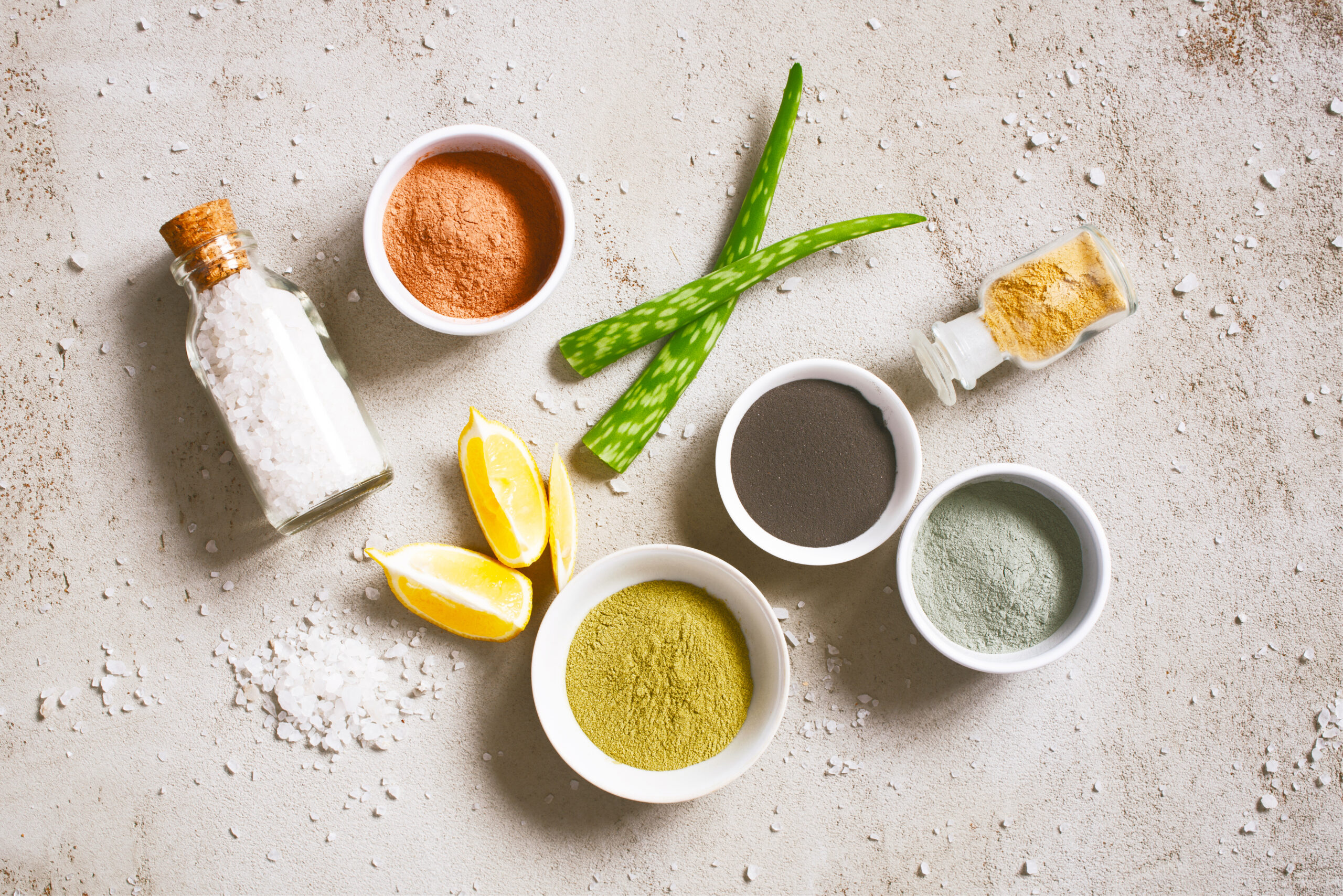
Overshowcasing ingredients: Claiming significant benefits from ingredients present only in trace amounts or below effective levels in the finished product. Additionally, mentioning ingredients that are clearly not permitted in a given market or not referencing the exact ingredient used in your product.
Overpromising product performance and results: Cosmetic claims that are borderline drug claims, suggesting effects beyond cosmetic use, such as modifying the skin’s structure, treating conditions, or offering therapeutic benefits. The terms of “Acne”, “Muscle Soreness”, “Pain”, and generally any mention of treating disease, and permanent results should all be avoided.
Claims related to lifestyle choices, personal values, and beliefs that are not worded carefully: Some of the common examples are – vegan, halal, natural, organic, sustainability etc. Such claims help consumers make informed choices but should not suggest any benefits beyond the factual information provided.
Lack of scientific substantiation: Manufacturers and brands often lack effective methods to substantiate their claims. In some instances, the results may not be statistically significant enough to support the claimed benefits or the testing doesn’t match the final claims. Consumer or clinical studies may involve a small sample size that is too small, and the demographics of the participants may not be representative of the product’s intended audience. Additionally, the supporting documentation may be poorly organized or stored.
Ignoring regional regulations and cultural differences: Lack of due diligence from brands to check claims permissible in one country is allowed in another. For example, the FDA in the U.S. may have different guidelines than the EU’s Cosmetic Regulation or claims in one country may not resonate or mean the same thing in another country.
Misleading marketing tactics and risk: Deceptive advertising practices, such as using digitally altered before-and-after photos or implying more than you can substantiate or legally claim can risk brand trust.
Overlooking adverse reactions: Failing to monitor adverse reactions can create a communication gap with consumers. If a product claim is directly linked to adverse reactions, it can result in consumer mistrust.
Definitions
Cosmetic: The Federal Food, Drug, and Cosmetic Act (FD&C Act) defines cosmetics as “articles intended to be rubbed, poured, sprinkled, or sprayed on, introduced into, or otherwise applied to the human body for cleansing, beautifying, promoting attractiveness, or altering the appearance.
Impact
Claims compliance gaps can result in a variety of issues such as:
Legal consequences
Regulatory actions by governing bodies
Loss of retail partnerships
Financial losses
Damage to brand image
Consumer mistrust
Our expert advice
We recommend reviewing your existing claims management program for all products, and ensuring compliance by focusing on the key points outlined below.
Claims Reviews – Contact Ithos!
Our Regulatory Team can conduct a thorough review of your product claims to provide an unbiased opinion of gaps and updates that may be required
Here are some important steps to consider:
Stay informed about regulations and country-specific guidelines for claims.
Review your formula ingredient claims along with all other product claims for what is meant literally and implied.
Review all the existing substantiation and, if necessary, consider gathering additional support.
Keep your legal team informed and involved in the claims process for your products.
Ensure all the substantiation support is well organized and easily retrievable when requested by authorities. Consider using a system like Ithos for managing these documents.
Ensure all claims are truthful, not misleading, and clearly communicated to consumers.
Work with experts such as Ithos for compliance guidance and to gain an outside, and unbiased opinion.
As 2022 draws to a close, many brands are evaluating their relationships and contracts with manufacturers. Increasingly, Ithos is seeing brands employ a “scorecard”…
EU Lowers Threshold for Labeling Formaldehyde Releasers in Cosmetics The EU is lowering the threshold for labeling when formaldehyde releasers are present in cosmetics….
What is it? New York now requires manufacturers (including importers or first domestic distributors) of children’s products containing certain toxic chemicals to disclose information…
The tight labor market hasn’t spared cosmetic brands. We’re constantly hearing from customers who face a perfect storm when trying to hire cosmetic regulatory…
With 32 states weighing more than 200 bills, brands navigate a complex patchwork of regulations and timelines Per- and polyfluoroalkyl substances, also known as…
Cosmetic Regulatory & Compliance Industry
Stay up-to-date on the latest regulatory news, webinars, and surveillance information for the Cosmetic Compliance Industry.
Enter your email below to receive our monthly newsletter directly to your inbox.